War Feminises the Physical Labour Market in Poland
The Exodus of Men and the Growing Role of Women
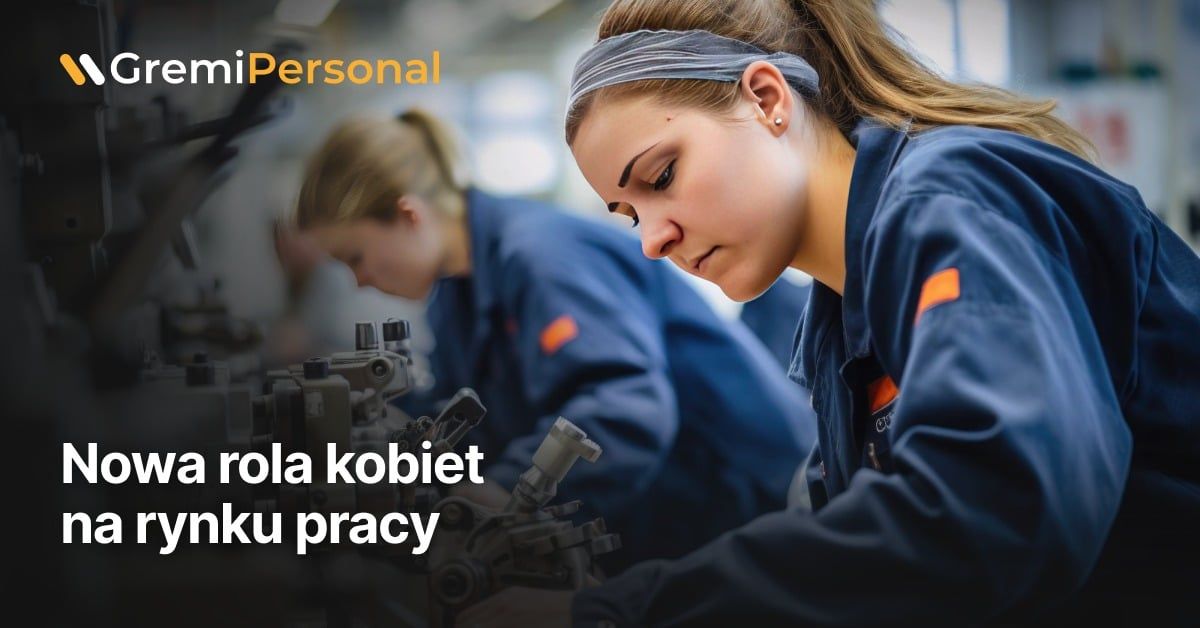
As might have been expected, the war in Ukraine that broke out in 2022 completely changed the overall structure of Ukrainians working in Poland. Not only did the average age of Ukrainian workers employed at Polish companies fall, but the gender ratio also changed dramatically. In 2022, nearly 64% of working Ukrainians were women, whereas the year before they had accounted for just 45%.
Adapt or…
Market observations show that the shortage of physical workers from Ukraine due to the war has, in a sense, forced many businesses to open up to hiring women — including companies that had previously been reluctant to do so. This stemmed partly from convenience: there was no particular need to adapt production workstations to female health and safety requirements, because all gaps were filled by men from Ukraine. The situation is slowly changing on many levels, and the structure of the labour market has undergone a profound transformation. More and more women are now working in stereotypically "male" industries that until recently were associated with physical strength. Two examples illustrate this well: the meat processing sector and the logistics and warehousing sector. Currently in the meat processing industry, 70% of those working in production facilities are women and 30% are men. After the outbreak of war and the depletion of the pool of male Ukrainian workers, women who had fled the fighting began looking for work — and these refugees proved to be an excellent fit for the industry. It quickly became clear that they are outstanding workers in positions requiring high levels of concentration, cleanliness, and strict hygiene standards, since food safety and product quality are among the most important considerations in the meat sector. Their willingness to work shifts was also a key factor. One of the ongoing challenges in the meat industry is staff turnover and a constant shortage of workers — and again, women perform better in this respect than men, as they change jobs less frequently. Meat processing was until recently associated with physical strength, but the industry is continually modernising and adopting ever newer technologies. All it took was training women to use the relevant equipment, and they excelled in their new roles.
Women at the Wheel
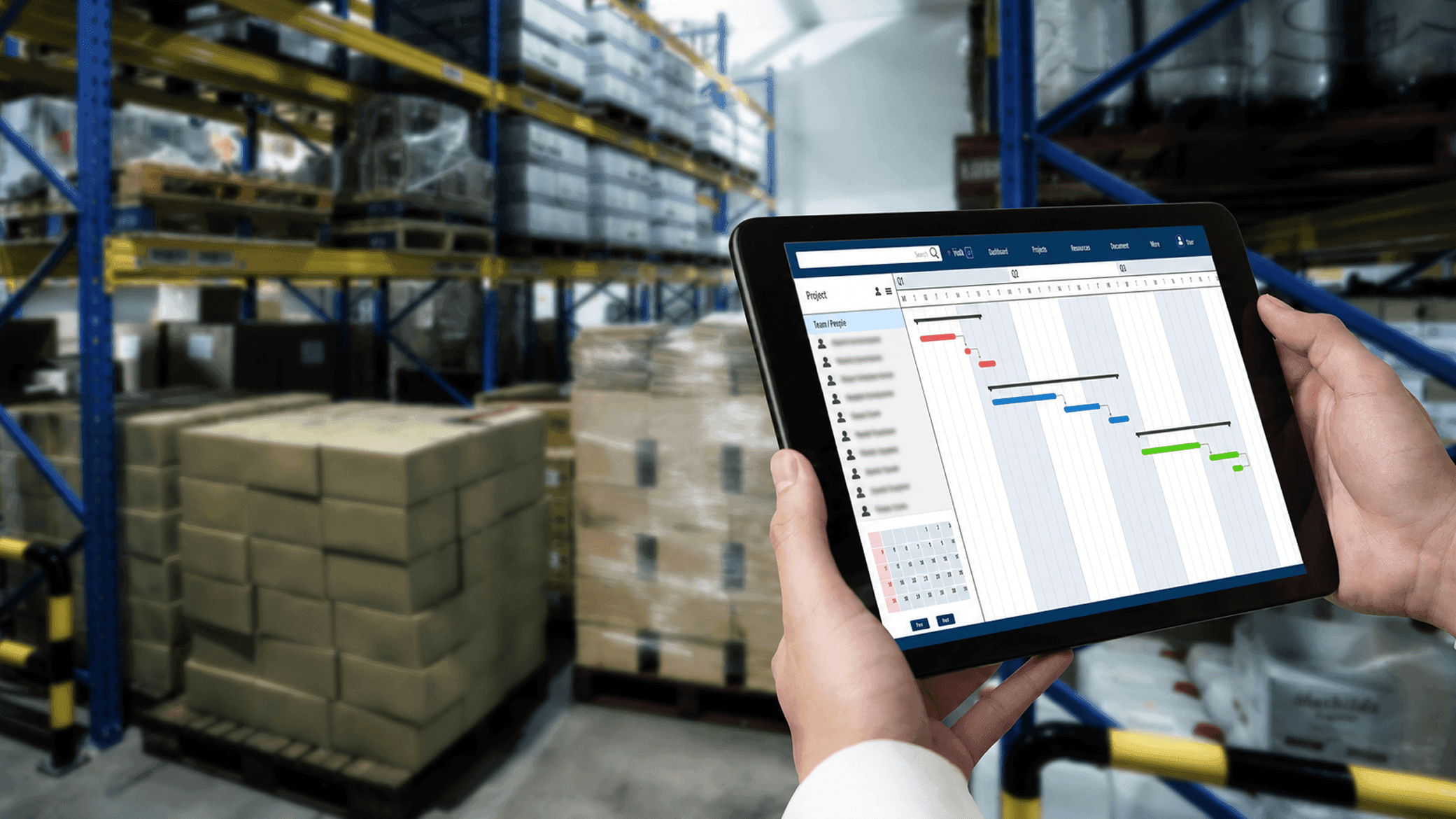
The second example is the warehousing sector, which seeks physical workers with qualifications — specifically UDT (Technical Inspection Office) certification. This sector is also associated with physically demanding work that requires male strength, though in reality thinking skills matter more, so the worker's gender is not the primary factor. It is a nearly fully automated field, where the only real prerequisite is officially certified qualifications. Since at Gremi Personal we strive to match the qualification level of women seeking employment with market expectations, one of our solutions is the forklift operator school we opened in 2022. Completing it enables candidates to obtain official UDT certification. We have a large number of warehouse job openings, so a Ukrainian woman seeking work who holds a driving licence and is open to retraining can complete our school with a guaranteed job offer and a UDT certificate — and will earn more than an unqualified worker as a result. Already today, 55% of those working in this sector are women and 45% are men.
As we can see, Ukrainian women prove every day that they can be a vital part of the Polish labour market — all that is needed is to create the right opportunities. The companies that are open to new solutions will be the first to gain a competitive edge. We invite you to learn more about our services, which can help you build a market advantage.
https://gremi-personal.com/szkola-operatora-wozka-widlowego/


 2026-08-24
 View
View