
Cross-Cultural Competence: Understanding European Business
 2026-07-21
 Every day, millions of Ukrainians go to work in Poland - and every day they encounter situations that are difficult to explain rationally:
- a Filipino colleague confirms a task but does not complete it;
- Georgians have a loud argument and five minutes later are drinking coffee together;
- a Polish manager responds to an initiative with silence, leaving it unclear whether this signals approval or rejection.
LIGA.net published an article explaining why this happens, based on a Gremi Personal study covering cultural behavioural patterns among workers from more than ten countries.
The findings proved surprising even for labour market professionals: across ten parameters - ranging from communication style and power distance to the role of the family in decision-making - Ukrainians emerged as culturally the closest to Poles among all groups studied, with a difference index of just 13 out of 100.
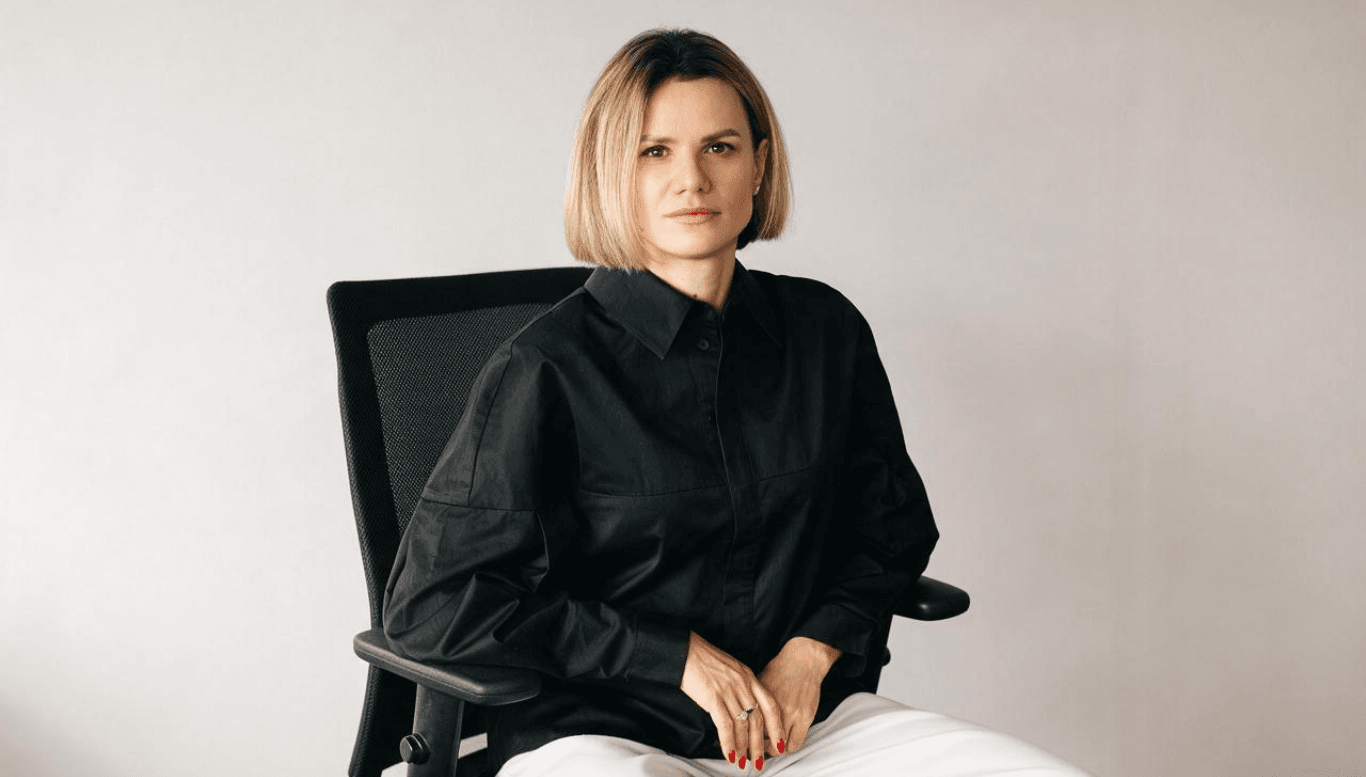
"This explains why Ukrainians generally adapt to the Polish labour market more quickly than, for example, workers from Colombia or the Philippines," notes Halyna Kirichenko, Vice President of Gremi Personal. At the same time, she points out, even this proximity conceals pitfalls: a tendency to avoid open disagreement with a manager, and an acute sensitivity to criticism, are characteristics that in a mixed international team can prove more costly than a lack of language proficiency.
Read the full article on the publication's website: liga.net


 Hot vacancies