Building Multicultural Teams in Poland
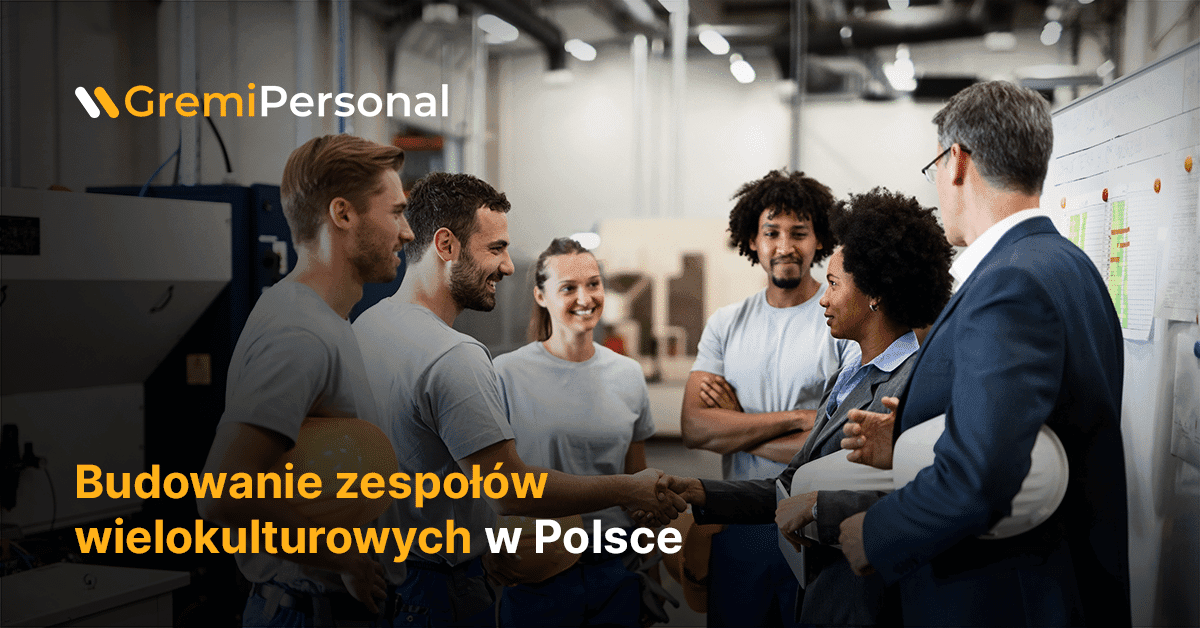
Poland is becoming an increasingly attractive destination for international talent, and Polish companies are more and more opening their doors to employees from all corners of the world. As a result, building and managing multicultural teams has ceased to be a challenge reserved exclusively for global corporations — it is now a reality faced by organizations of every size. Cultural diversity in the workplace can be a powerful catalyst for innovation and growth, but only when it is properly managed.
How do you effectively lead a team in which every member brings different experiences, values, and communication styles? How do you transform potential language barriers and cultural differences into an organization's driving force? Answering these questions requires more than just goodwill — it takes a strategy grounded in cultural intelligence, inclusive leadership, and a conscious approach to building organizational culture.
What does building multicultural teams in Poland mean?
Building multicultural teams in Poland requires the ability to effectively manage groups of people with different traditions and customs. A key element is creating an environment in which diversity is not only accepted but also valued, fostering mutual respect. To lead such a team effectively, it is essential to understand the cultural differences that affect everyday collaboration. Inclusive leadership and adapting the leader's approach to the specific needs of the group builds a bond based on trust and engagement.
Leaders should develop their cultural intelligence (CQ), which helps minimize potential conflicts that can arise in such a diverse environment. Learning cultural competencies enables a better understanding and appreciation of different perspectives, which in turn enriches the team.
Diversity management is critical because it promotes the creation of teams that not only function more efficiently, but also gain a competitive edge in the global market. It is also worth paying attention to the difficulties associated with language barriers and communication adaptation. Intercultural communication, based on empathy and openness, supports the development of interpersonal skills within the team.
Organizations that are able to effectively integrate multicultural teams achieve better understanding of different markets and increase their innovation potential. Building such groups not only develops the interpersonal skills of employees, but also contributes to achieving long-term business goals.
What benefits does cultural diversity bring to a team?
Cultural diversity in a team has a significant impact on boosting creativity and innovation. Enriched with different perspectives, team members can develop innovative solutions, which is crucial in the dynamic world of business. Additionally, a multicultural environment fosters the development of important interpersonal skills such as:
- flexibility,
- openness,
- collaboration,
- effective problem-solving.
Furthermore, teams with a diverse cultural composition understand global markets much better, which becomes a strategic asset for companies. Thanks to their knowledge of different cultural contexts, they are able to better respond to the needs of clients around the world. Strengthening the cultural competencies of employees contributes to reducing conflicts and improving overall motivation within the team.
Cultural diversity also promotes the creation of a more inclusive environment. Such an atmosphere encourages the exchange of experiences and promotes mutual respect and understanding. By operating according to shared principles and in a culture of openness, organizations can achieve better results and stability in pursuing their business goals.
How to implement an inclusive culture in Polish organizations?
Implementing an inclusive culture in Polish companies requires carefully considered steps focused on diversity and mutual respect. The foundation is clearly defining the principles of cooperation that highlight the importance of openness and integration. Organizations should also regularly organize intercultural training sessions directed at managers and teams in order to deepen their understanding of cultural differences. What's more, it is important to invest in mentoring programs that not only facilitate the adaptation of new employees, but also develop their knowledge of different cultures.
Building trust is the foundation of an inclusive culture, as it promotes engagement with the organization's goals. Inclusive leadership is based on a flexible management model, allowing leaders to adapt to the diverse needs of their team. Creating a safe environment in which all employees feel respected and valued is essential. Such a positive climate reduces the risk of conflicts and promotes effective teamwork.
How to develop cultural intelligence (CQ) in employees and leaders?
Developing cultural intelligence (CQ) among employees and leaders is a key element of effective management in culturally diverse teams. CQ enables the recognition and adaptation to intercultural differences. To effectively develop these skills, organizations should introduce regular intercultural training sessions. These training sessions focus on competencies related to:
- communication,
- mediation,
- negotiation,
- providing the necessary tools,
- supporting a better understanding of the cultural nuances of the team.
Mentoring and development programs also play a key role in the practical implementation of CQ. Through mentoring collaboration, leaders can adapt their leadership styles, which has a positive effect on:
- resolving conflicts,
- building trust within the team,
- enrichment with new communication skills,
- effectively leading diverse groups,
- raising the overall performance of the organization.
This promotes cultural integration.
How to conduct effective intercultural communication?
Effective intercultural communication plays a key role in building harmonious collaboration in multicultural teams. It requires not only clear information exchange, but also attention to linguistic diversity. Using simple language forms and confirming mutual understanding can significantly reduce language barriers, which in turn facilitates the coordination of activities. Equally important is understanding the non-verbal aspects of communication, which can differ significantly depending on the culture.
- gestures and facial expressions can carry different meanings,
- this creates a potential risk of misunderstandings.
In today's global workplace, technology, including various online communication tools, plays a major role in facilitating collaboration in distributed teams. Carefully prepared communication documentation increases transparency and reduces the risk of conflicts. By adopting an inclusive leadership style, it is worth promoting openness and flexibility in interpersonal relationships. This approach significantly supports the effectiveness of teams that differ in cultural terms.
How to overcome language barriers and non-verbal differences?
How to overcome language barriers and non-verbal differences?
When overcoming language barriers and discrepancies in non-verbal communication in multicultural teams, the application of appropriate strategies is key. The first step that can make a decisive difference is adopting plain language. This minimizes the risk of misunderstandings arising.
Additionally, investing in language courses for employees not only supports their development, but also significantly improves communication within the group. Modern technologies, such as translation apps and software, can facilitate the daily flow of information and make it more effective.
Differences in non-verbal communication, encompassing gestures and facial expressions, can be a source of misunderstandings. It is therefore worth considering:
- intercultural training sessions, which teach participants how to recognize and interpret these differences,
- mediation and
- negotiation, which play a key role in resolving conflicts.
This most often leads to better understanding and increased collaboration within the team, enabling the achievement of agreement, which further strengthens the bonds between team members.
Implementing these strategies brings benefits not only in increasing work effectiveness in diverse teams, but also promotes better collaboration and a shared drive toward achieving goals. By applying these methods, organizations can more effectively face the challenges associated with cultural diversity, including language barriers.
How to support the cultural integration of new team members?
Supporting the cultural integration process of new team members plays a key role in creating a diverse and united group. Onboarding should take cultural differences into account, which helps new employees adapt and brings them closer to the organization's mission. Mentoring programs, in which more experienced employees act as guides, are extremely helpful in discovering a new environment.
Clear principles regarding collaboration, as well as the promotion of an inclusive culture, result in strengthened trust and engagement within the team. Innovative technological tools work well in the integration process, especially in the case of teams working remotely. Additionally, it is worth investing in intercultural training, which develops the skills necessary for effective collaboration in diverse groups.
Organizing team-building events is an important step in building relationships between team members and strengthening bonds. Such initiatives give new employees a sense of belonging and motivate them to strive toward common goals. This, in turn, has a positive effect on the overall effectiveness of the team.


 2026-08-24
 View
View