Changes for Ukrainian Refugees in Poland in 2023
Do I need to apply for a residence card?
Obtaining a PESEL number
Work permit in Poland for foreigners
COVID-19 regulations
Recognition of the Diia.pl electronic residence document
Stricter oversight of refugees receiving benefits
Organisation of support at collective refugee accommodation sites
Other assistance for Ukrainians in Poland
On 14 December 2022, the Polish Sejm passed an amendment to the Act "On Assistance to Ukrainian Citizens in Connection with the Armed Conflict on the Territory of Ukraine".
On 23 January 2023, Polish President Andrzej Duda signed the act into law, bringing all changes into force — some from the moment of enactment, others over the course of the year. Gremi Personal continues to keep you up to date on the most important news concerning Ukrainians in Poland. In this article, we have gathered key information about the changes for refugees in Poland in 2023.
Do I need to apply for a residence card?
This question has long been the subject of much debate. As a reminder, a residence card (karta pobytu) is a document issued to foreigners granting permission to reside (temporarily or permanently) in the Republic of Poland.
A brief overview of events: following the outbreak of the full-scale war, thousands of Ukrainians crossed the Polish border, and many of them stayed in the country. Initially, it was announced that refugees who had been in Poland for more than 9 months would be required to apply for a residence card. However, the Department of Foreigners Affairs subsequently published a clarification stating that there was no need to do so at that time, as the government was preparing amendments to the law on assistance to Ukrainian citizens (which we covered in a previous article).
The amendments have now been adopted. They provide that Ukrainians may legally remain in Poland without a residence card until 24 August 2023. This applies not only to those who arrived after the start of the full-scale war on 24 February 2022, but also to those who came earlier. After 24 August, an application for a residence card will be mandatory to continue staying legally. Applications can be submitted from 1 April 2023. From that date, Ukrainians (regardless of whether they hold refugee status or not) may rely on the following as grounds for legal stay:
- a visa,
- a residence card,
- confirmation that an application for a residence card has already been submitted.
At the same time, Ukrainians continue to benefit from special protection in Poland, and obtaining a residence card will be easier than before.
Are there grounds for refusal? For example, if a person cannot prove they have sufficient income to live in Poland?
The Foreigners Affairs Department at the local Voivodeship Office handling the case will not refuse. A residence card will be issued — however, not for three years but for one year.

Obtaining a PESEL number
The updated Special Act requires all Ukrainians who are arriving (or have arrived) in Poland and plan to stay in the country to obtain a PESEL number. As a reminder, PESEL is an 11-digit personal identification number containing information about date of birth, tax number, gender and a check digit. The deadline for obtaining a PESEL number is 30 days from the date of entry into Poland. If you are already in Poland, you have 30 days to obtain it from the date the law came into force. Until now, obtaining a PESEL number was not mandatory. The Gremi Personal YouTube channel has a video explaining how to obtain a PESEL — see the link here.
Work permit in Poland for foreigners
Previously, Ukrainians benefited from preferential employment conditions — a work permit was not required.
However, from 24 August 2023, this provision is abolished. From that date, legal employment will require one of the following documents authorising work:
- a statement of intent to entrust work (oświadczenie)
- a work permit (zezwolenie)
- a certificate of completion of a post-secondary school (graduates of post-secondary schools do not need a permit)
COVID-19 regulations
The government previously introduced rules that automatically extended the legal stay documents of foreigners. This was linked to the state of emergency caused by the COVID-19 pandemic, but the epidemiological situation has now improved significantly. After 24 August this year, the "COVID" extensions will no longer apply. Foreigners must ensure they hold all required permits for legal stay and work in Poland.

Recognition of the Diia.pl electronic residence document
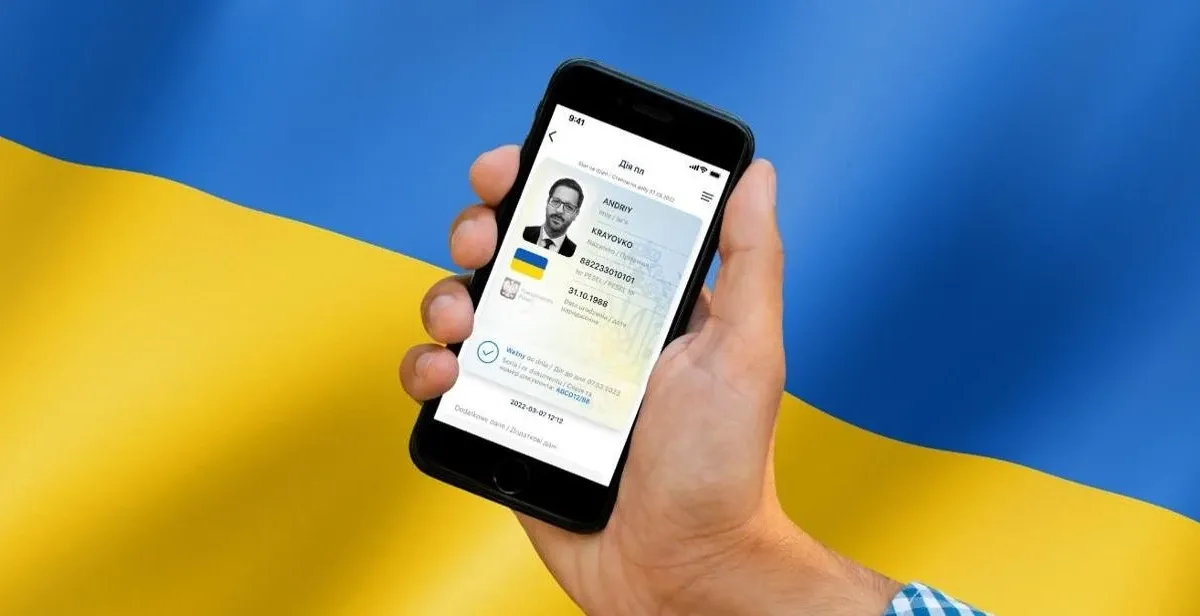
The Special Act provides for the official recognition of the electronic document in the Diia.pl app as a residence document for Ukrainian citizens. Moreover, the Diia.pl app, together with a travel document, will allow Ukrainians to cross the border multiple times for short stays without a visa. Incidentally, we previously explained how Ukrainians in Poland can use the passport service and obtain Ukrainian documents. The article is available here.
Stricter oversight of refugees receiving benefits
Another new provision introduces the suspension of financial benefits for refugees who cross the border and leave Poland.
If a refugee returns to Poland within 30 days, social benefits will be reinstated. However, if a person remains outside Poland for more than 30 days, they lose their special status and the right to assistance and benefits.
To strengthen oversight of benefit recipients, ZUS (the Social Insurance Institution) will verify every entry and exit of Ukrainian citizens to and from Poland. The Border Guard will provide social insurance authorities with information from the border crossing register. This is intended to prevent abuse and cases where a person claims benefits in Poland while actually living in Ukraine.
Organisation of support at collective refugee accommodation sites
This change is perhaps the most widely discussed — it concerns accommodation fees. The amendment provides that Ukrainian citizens who have arrived in Poland and are living at collective accommodation centres may stay there free of charge for 120 days.
After 120 days, they must cover 50% of the cost of assistance they receive at collective accommodation sites — but no more than 40 złoty per day.
From 1 May 2023, refugees who have been in Poland for more than 180 days will be required to cover 75% of costs, but no more than 60 złoty per day.
At the same time, the most vulnerable categories of people are exempt from payment:
- persons with disabilities and their carers
- people of retirement age
- minors
- pregnant women
- persons raising a child under 1 year of age
- parents/guardians of three or more children.
Other assistance for Ukrainians in Poland
The amendments to the Special Act also expand benefits for Ukrainian refugees. In particular, local government authorities in Poland will receive new funding (over 2 billion złoty) to carry out tasks related to the education, upbringing and care of children from Ukraine in 2023.
The funds will be allocated to the purchase of textbooks and educational materials for pupils at public and private primary schools for children and youth, as well as arts schools providing general education at the primary school level.
By the way, in this article we explained how parents can enrol their children in schools in Poland.
We will continue to publish articles on relevant topics — about documents for refugees, regulations, life and work in Poland.
You can read articles and watch videos — choose the format that suits you best.
Looking for work in Poland? Browse our vacancy catalogue.
If you haven't found the right opportunity — call us:
[+38 (050) 334-93-51 or +48 525 275 003](tel:+38 (050) 334-93-51 or +48 525 275 003), [+38 (050) 334-93-51 or +48 525 275 003](tel:+38 (050) 334-93-51 or +48 525 275 003), [+38 (050) 334-93-51 or +48 525 275 003](tel:+38 (050) 334-93-51 or +48 525 275 003)


 2026-09-24
 View
View