Since the Start of the Russian Invasion, Ukrainians Have Opened Almost 90,000 Companies in Poland
28.02.2025
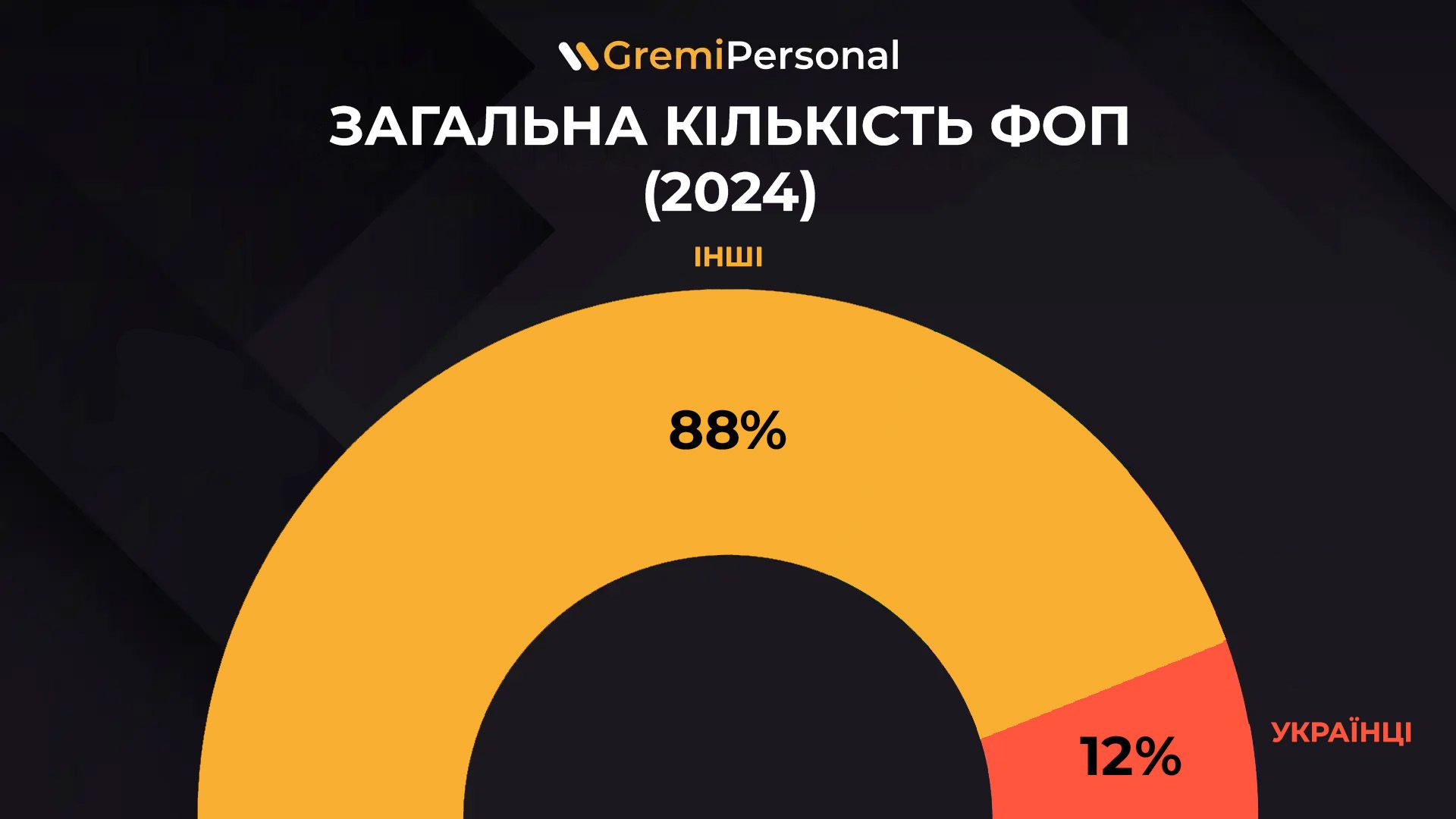
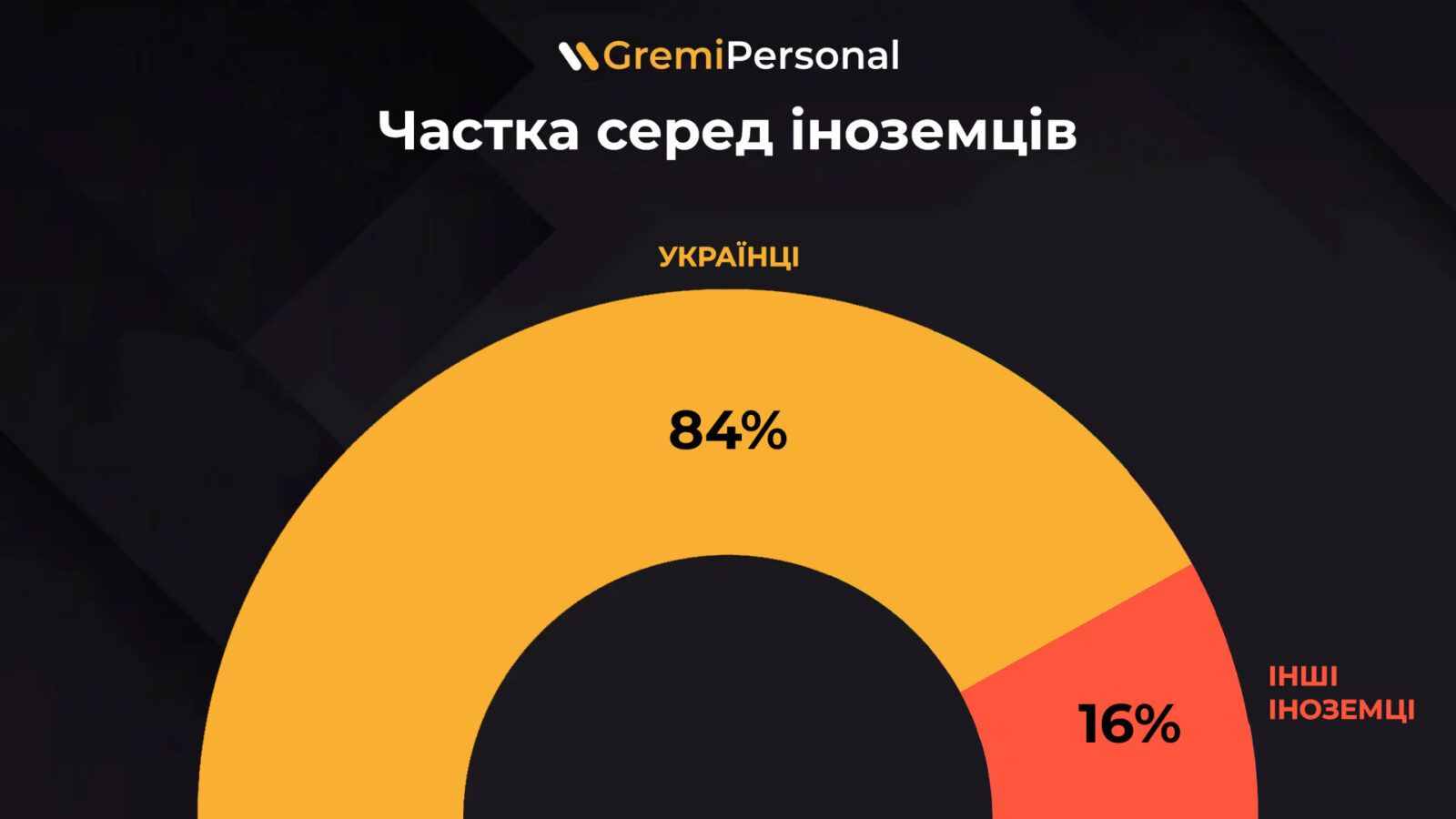
Over the past three years, Ukrainians have registered 77,700 sole proprietorships in Poland. This represents 9% of all businesses registered during that period. An additional 11,300 companies with Ukrainian capital were also established. Among all sole proprietorships opened in Poland in 2024, 12% were owned by Ukrainian citizens. Ukrainians accounted for 84% of the total number of sole proprietorships registered by foreigners. This is reported by the analytical centre of the international recruitment company Gremi Personal, citing the Polish Economic Institute.
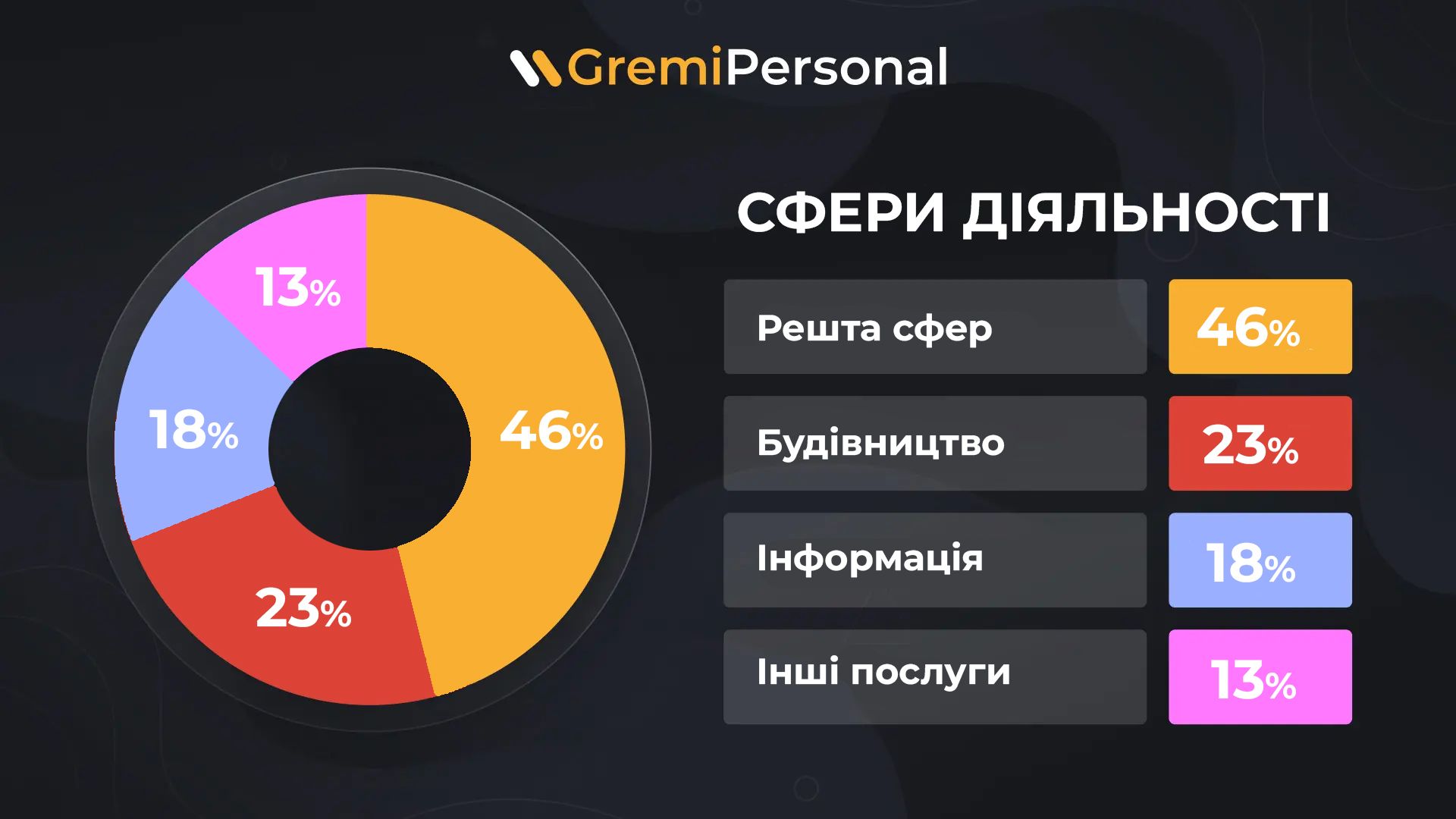
The most popular sectors for Ukrainian businesses are construction (23%), information and communications (18%), and other services (13%). Within the other services sector, 82% of companies provide hairdressing and beauty services. Between 2022 and 2024, the number of Ukrainian businesses grew by an average of 34% per year. Together, these three sectors account for more than half of all registered enterprises.
At the same time, as of February 2024, only 3,635 Polish companies were registered in the Ukrainian business space. That is 21 times fewer than the number of Ukrainian sole proprietorships in Poland. Around 31% of Polish companies in Ukraine operate in wholesale and retail trade, while 17% are in manufacturing. Professional, scientific and technical activities are the primary focus of over 8% of companies, and approximately 7% operate in the administrative and support services sector — as reported by YOU Control. Notably, more than half of Polish companies are registered in the Lviv region and Kyiv.
"The growing number of Ukrainian businesses in Poland vividly illustrates not only the activity and adaptability of Ukrainians, but also structural shifts in the Polish labour market. Many Ukrainians who previously worked as employees are now choosing self-employment or starting their own businesses. This is not just a response to labour market constraints — it is also a way to effectively leverage their own skills and experience," — says Yuriy Hryhorenko, representative of the Gremi Personal analytical centre.
Analysts are also observing changes in employer behaviour. An increasing number of Polish companies are open to working with Ukrainian contractors and entrepreneurs, particularly in construction, logistics and manufacturing. At the same time, challenges remain — including bureaucratic hurdles when registering a business and finding partners for sustainable growth.
"Polish businesses are showing considerable interest in opening companies in Ukraine, especially in the Subcarpathian Voivodeship, which borders Ukraine. The greatest investment potential is seen in construction, manufacturing and HoReCa. However, the security factor remains a key consideration in the decision-making process. Ukraine, for its part, is also interested in attracting Polish entrepreneurs. That is why the state must create favourable conditions for their operations today, so that after the war European businesses will be ready to work in Ukraine," — adds Hryhorenko.
According to research by the Responsible Development Forum, without post-2014 immigration, Poland's GDP in 2023 would have been 2.3% lower. In the long term, migration is expected to contribute to a 12.5% increase in GDP by 2050.


 2026-09-24
 View
View