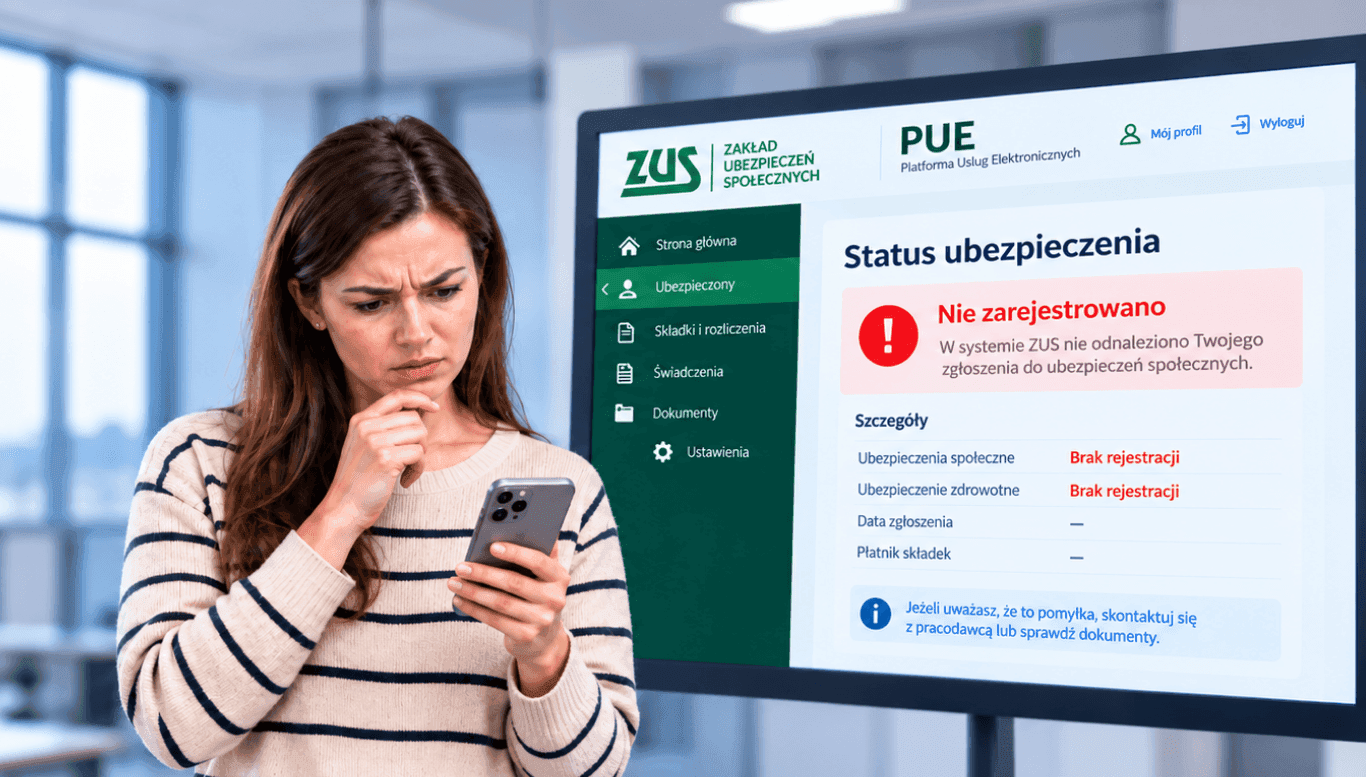
Russian-Speaking Scammers Are on the Rise in Poland: How Ukrainians Are Being Defrauded
Russian scammers have become active again in Poland. More than 3 million Ukrainians currently living in the country represent a large target audience for "their own" fraudsters. Women who were forced to leave Ukraine because of the war are especially vulnerable: they are often disoriented in an unfamiliar environment and let their guard down in what seems like a welcoming setting. The analytical centre of international employment agency Gremi Personal has compiled the most common fraud schemes targeting Ukrainians in Poland.
Phone scammers typically speak Russian, and less often Ukrainian or Polish.
"These schemes were already being used successfully before the war. Now fraudsters have only slightly adjusted them to account for changes in employment legislation. Ukrainians living and working in Poland are increasingly falling victim to these scams," says Anna Dzhobolda, Director of the Recruitment Department at employment agency Gremi Personal.
The most common type of fraud is banking scams.
Banking Fraud
Most Ukrainian women who came to Poland because of the war have opened bank accounts to receive financial assistance from the Polish government — and they have automatically come to the attention of banking fraudsters. Due to the large number of Ukrainians in Poland, major banks had already hired Russian-speaking consultants before the war. Scammers exploit this fact. They call, pose as Russian-speaking bank employees, and claim that a payment of several thousand zlotys has been made from your account. Taking advantage of the stressful situation, they find out how much money is in the account and when the person last used the bank's mobile app. Sometimes these "bank employees" already know the victim's full name, which bank they use, and the call may even appear with the bank's name on the caller ID. If scammers succeed in extracting private information, they gain access to the account and drain it.
Fraudsters also ask victims to generate a one-time BLIK code, which can be used to confirm a transaction — after which all the money is withdrawn from the account.
The largest number of fraud schemes relates to employment in Poland. The conditions for employing Ukrainian refugees have been significantly simplified. To start working, all that is needed is a PESEL number and a notification from the employer to the local labour office. However, unscrupulous employers and intermediaries are still finding ways to exploit and deceive Ukrainians.
Unpaid Wages
In some dishonest employment agencies, intermediaries promise rates 1–2 zlotys above the market rate but fail to arrange legal employment documents. People, wanting to earn more, agree. As a result, they may not receive any pay at all.
Poor Living Conditions
Ukrainians are offered good accommodation and wages, which in reality turn out to be far worse — and often the promised job does not even exist. Instead, they are offered different work with less attractive pay and conditions.
Illegal Work in Other EU Countries
Ukrainians are hired in Poland but sent to work in Germany or the Czech Republic without the necessary documentation, which is unlawful. Such intermediaries or agencies often fail to pay wages — partially or in full — and at the first inspection the worker may be fined and deported back to Ukraine.
Rental Fraud
Accommodation rental scams are also widespread in Poland. In response to a rental listing, victims are asked to transfer money to an account as a "deposit". Afterwards it turns out that the property does not exist or belongs to completely different owners.
Law enforcement advises following basic safety rules that apply in any country. It is also worth keeping Polish emergency service numbers and helpline numbers to hand.


 2026-09-24
 View
View