Poles Returning from Germany: How Will It Affect Ukrainians in Poland?
Poles Returning from Germany: How Will It Affect Ukrainians in Poland?
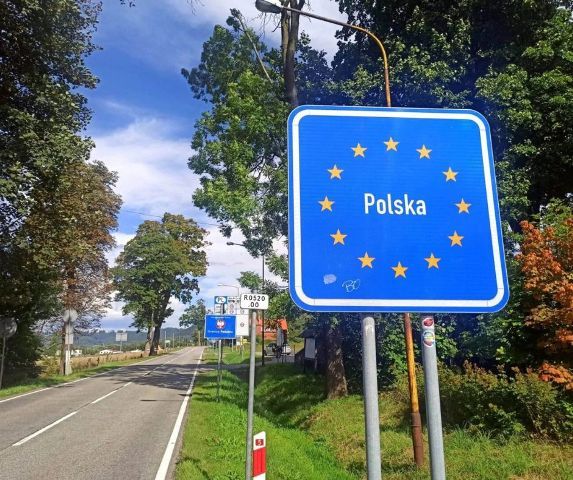
According to data from the analytics center of international company Gremi Personal, for the first time in 25 years, more Poles have left Germany than arrived. Polish workers are increasingly turning away from the German labour market and returning home.
Why Poles Are Coming Home
According to Gremi Personal experts, this trend is the result of several factors:
- improvement of the economic situation in Poland,
- rising wage levels,
- government programmes encouraging citizens to re-emigrate.
Poles who have lived abroad for at least three years can, upon returning, avoid paying personal income tax (PIT) for four years within a defined limit. In addition, paid internship programmes at Polish companies are available for young professionals from the Polish diaspora in the EU, the United Kingdom, the USA and Canada.
The Polish government is actively creating a favourable business environment — simplifying company registration, supporting investors and ensuring a stable economy. All of this stimulates the domestic labour market and creates new jobs.
"If you add to this the drop in inflation to 2.9%, a 7.5% annual rise in corporate-sector wages and a 5% increase in purchasing power, the benefits for those returning become obvious," explains Iryna Sierova, CBDO of Gremi Personal.
According to her, although salaries in Poland are still lower than in Germany, the quality of life is higher: access to healthcare, sport, leisure, and the ability to rent or purchase housing — things that are increasingly hard to afford in Germany.
"Many Poles have already worked abroad and have no plans to go back. They choose the better working conditions, social security and stability that Poland now offers," the expert adds.
How This Will Affect Ukrainians in Poland
The return of Poles from abroad may lead to greater competition on the labour market, but a mass displacement of Ukrainians is not expected.
"Ukrainian workers remain in demand," says Iryna Sierova. "Many of them work in sectors that Poles tend to avoid — construction, logistics, and manufacturing. These areas continue to experience staff shortages."
Moreover, Poland has a demographic need for foreign workers: the population is ageing and the number of working-age citizens is shrinking. Ukrainian workers will therefore continue to form the backbone of the Polish labour market.
Nevertheless, the expert advises Ukrainians not to stand still:
"To keep a job or find a better one, you need to upskill and learn Polish. This will open up more opportunities and help you adapt to the changing market conditions."
A Lesson for Ukraine
Poland has proven that the return of labour migrants is possible when the state creates decent conditions for living and working.
"This is an important example for Ukraine as well," concludes Iryna Sierova. "The return of Ukrainians after the war will be a key factor in the country's recovery. And Poland's experience shows that it is achievable."
About the company:
Gremi Personal is an international recruitment company that has been helping specialists from Ukraine, Poland and EU countries find stable employment, and businesses find qualified staff, for over 10 years.
The company has its own analytics center that researches trends in the European labour market and provides expert forecasts for employers and workers.

 2026-09-24
 View
View