Poland's Most In-Demand Professions in 2025 Revealed
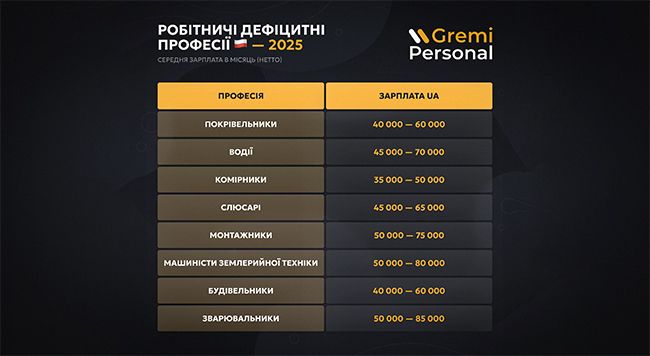
The greatest shortage projected for Poland as a whole will occur in the group of occupations involving physical labour – including: roofers, drivers, warehouse workers, locksmiths, fitters, earthmoving machine operators, construction workers and welders.
This is reported by international employment agency Gremi Personal, based on data from the nationwide survey "Occupational Barometer", which has been prepared annually for 10 years by the Regional Labour Office in Kraków on behalf of the Polish Ministry of Family, Labour and Social Policy. The tool presents a forecast of demand for workers in a given year, indicating which professions are in shortage, balanced or in surplus – broken down by voivodeship and county. A profession is considered to be in shortage when the number of job offers exceeds the average number of unemployed persons.
"For years we have been monitoring the Occupational Barometer forecasts, and every year experts point to almost the same professions – half of them concern skilled manual workers. The shortage of such candidates stems from dissatisfaction with working conditions. In addition, it is physically demanding work, often performed in difficult and changeable weather conditions, with long working hours, and in the case of drivers – frequent business trips, as well as an extremely unsatisfactory level of pay. Furthermore, the war in Ukraine has created even greater demand for male vacancies due to the inability of men to travel abroad" – comments Yuriy Hryhorenko, Chief Analyst at international employment agency Gremi Personal.
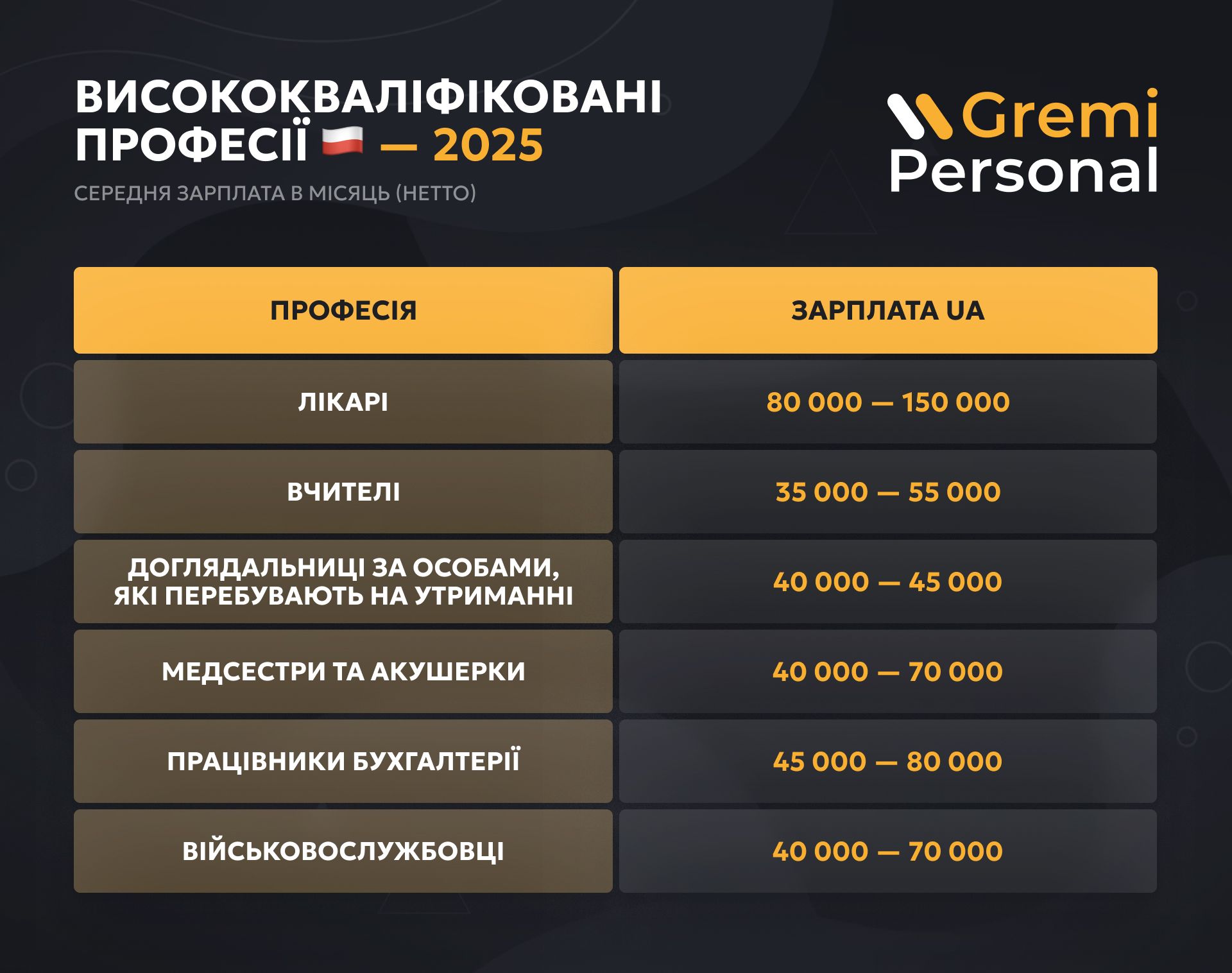
The list of the most in-demand professions also includes doctors, teachers, carers for dependent persons, nurses and midwives, accounting and bookkeeping staff, and professional soldiers.
The agency notes that the shortage of highly qualified personnel – i.e. the other half of the in-demand professions requiring training and many years of experience – comes as no surprise either. For at least several years now we have been entering a period of demographic winter: more people are retiring than graduates are entering the labour market, and a fresh graduate cannot replace, for example, a surgeon with 25 years of experience. The solution lies in economic migrants, but they are harder to attract not only because of lengthy procedures, but also because wages and working and living conditions in Poland are not as attractive as in, say, Western Europe. The only way out of the shortage is to open the labour market to labour migration more broadly than before, which – as indicated in the policy documents of the Migration Strategy prepared by the government – carries risks. This requires, above all, the implementation of multicultural management programmes (promoting inclusivity, equality and tolerance), including developing communication channels for the use of several languages in the workplace or, as large international companies often do, even switching to English.


 2026-11-03

 View

