How to Adopt a Pet from a Shelter. Adopting Cats and Dogs in Poland
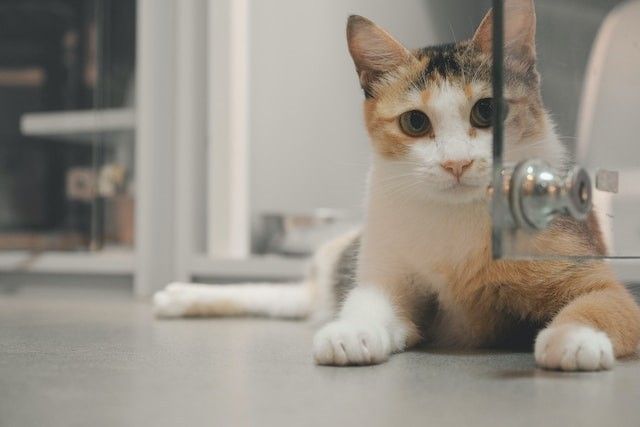
Getting a dog or cat in Poland is more difficult than in Ukraine. Only officially registered breeders are allowed to breed pets (meaning there are fewer of them than back home), and the price of a puppy or kitten starts at several thousand zloty.
That said, you can always become the owner of an animal that has ended up in a shelter. Even here, genuine desire alone is not enough — you must meet the requirements set for those wishing to adopt a cat or dog.
How do you adopt a pet from a shelter in Poland? Let's talk about that below.
What You Should Know About Animal Shelters
Unfortunately, Poland, like many other countries, faces the problem of abandoned animals. The number of stray cats and dogs increases in the summer — irresponsible owners simply let them loose when they go on holiday. The problem has yet to be solved, as there is no mandatory registration or microchipping in the country (although Poland is taking steps in that direction).
Animal shelters operate in many large and small cities. These facilities can be publicly (municipally) or privately funded.
How do you find one in your city or region? Search for websites through search engines, social media pages, and listings on OLX or Wamiz. Word of mouth also works — neighbours, colleagues, and acquaintances can recommend a place where animals are temporarily housed.
Rules vary between shelters, but the adoption process is generally similar. Below we discuss the stages you need to go through before a shelter animal moves into your home.
Adopting a Pet: A Step-by-Step Guide
So you've chosen a shelter, familiarised yourself with its rules, and feel you can meet them. What's next?
1. Contact shelter representatives. They will advise you and clarify any unclear points. At this stage you may often be asked to fill in a questionnaire or take part in a brief interview. This is the moment when you might realise you're not ready to care for an animal — and either drop the idea or prepare more thoroughly. All of this is preparation for the main interview.
2. The main interview usually takes place at your home. The shelter worker or volunteer wants their charge to be comfortable and safe. So they check not only your responsibility and readiness, but also the state of your home. The size of the apartment or house, whether windows have screens, the space you plan to set aside for the pet — all of this matters. During the interview the specialist will also remind you of the rules for keeping pets in Poland — for example, the ban on breeding and the mandatory neutering/spaying once the animal reaches a certain age.
3. You've been told the result of the interview and it's positive? Congratulations!
If you were turned down this time — don't be discouraged. People who work with animals set high standards and take every precaution to ensure the animals' well-being. A refusal doesn't necessarily mean there's something wrong with you personally — if the shelter gives you specific reasons, we recommend taking that friendly feedback on board.
Here, by the way, are the most common reasons for refusal:
🐾 you've never had a pet before, and the specific dog or cat you chose is not suitable for first-time owners (it has behavioural or health issues, a demanding breed, etc.);
🐾 the animal is very energetic and needs more living space;
🐾 the animal may not get along with your children;
🐾 the dog or cat doesn't get along with other pets in the household.
-
After successfully completing the previous stages, the shelter will ask you to sign an adoption agreement. You commit to providing your new family member with food, a warm home, proper care, and veterinary assistance. The pet cannot be transferred to third parties or sold. If the animal has not been neutered/spayed — you are required to arrange this.
-
Often alongside the adoption agreement you sign consent for several follow-up home visits. These checks are intended to confirm that the animal is being kept in appropriate conditions and is generally healthy and happy.
By the way, happy pets usually mean happy owners — and that's one more reason to bring a cat or dog into the family!
We will continue preparing articles for you on various aspects of life in Poland. Read them on our website or watch videos on our channel.
Looking for work in Poland? Call +38 (050) 334-93-51 or +48 525 275 003 or +38 (050) 334-93-51 or +48 525 275 003.


 2026-09-24
 View
View