Fingerprints at the EU Border: How Border Controls Now Work and What Happens If You Refuse
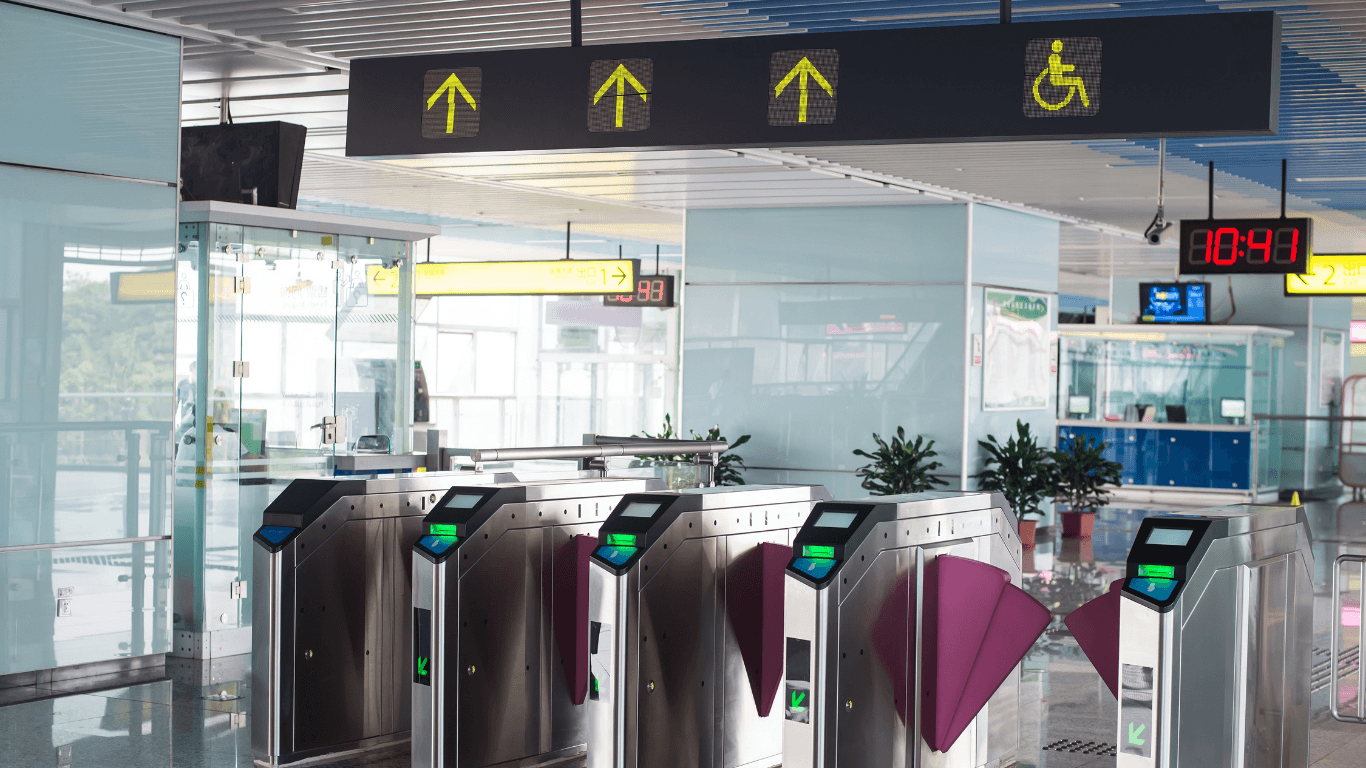 From April 2026, the Entry/Exit System (EES) has been fully operational across all 29 countries of the Schengen Area. It applies to nationals of third countries, including those travelling to Poland for a short-term stay. Passport stamping is now a thing of the past - instead, biometric data and digital records of every border crossing are captured at border control points.
What Is the EES and Why Was It Introduced
The EES is an automated tracking system that records every entry into and exit from the Schengen Area in a single digital database: the date and location of the border crossing, direction of travel, passport data, facial photograph and fingerprints.
The purpose of the system is to enhance security at the EU's external borders and to automatically monitor compliance with the 90/180-day rule. It is precisely the EES that enables the precise tracking of how long an individual has spent in the Schengen Area - without manual records and stamps that are easily forged or lost.
Who Is Affected by the New Procedure
The new rules apply to nationals of non-EU countries crossing the external border of the Schengen Area for a short-term stay - up to 90 days in each 180-day period. This applies to both visa-free travel and entry on a Schengen visa.
The EES procedure does not apply to:
- holders of a residence card or long-term national visa of any Schengen country;
- EU citizens and their family members holding the relevant documents.
Accordingly, individuals officially residing in Poland on the basis of a residence card are not subject to the general EES procedure.
What the Border Procedure Involves
During the first entry after the system's launch, registration takes place at the border control point: passport scanning, facial photograph and fingerprint collection. For adults and children aged 12 and over — all three elements are required. For children under the age of 12, fingerprints are not collected.
Following the initial registration, data is stored in the system for up to three years. Subsequent border crossings are faster - identity verification takes less time.
Important: refusal to provide biometric data constitutes grounds for denial of entry into the country. No exceptions are provided for in this regard.
How Long Does the Procedure Take
At the outset of the system's operation, queues of up to several hours were recorded at passport control in major international airports across Europe. Polish airports recommend arriving at least two hours before departure. At land border crossing points, the processing time depends on traffic volume and the number of passengers requiring initial registration in the system.
Are Any Additional Documents Required
No. A valid biometric passport remains sufficient for visa-free entry into the EU - as was the case previously. No prior registration or online applications before travel are required.
A separate matter is the ETIAS system (European Travel Information and Authorisation System) - a pre-travel authorisation for visa-free travel to the EU. At the time of publication of this article, it has not yet been brought into operation.
Advice from Gremi Personal
- Allow extra time for your first border crossing
If you are crossing an EU border for the first time since the system was launched, be prepared for registration to take longer than usual. At airports, we recommend arriving at least two hours before your departure.
- Your passport must be biometric
The EES works exclusively with biometric passports. If your foreign passport is an older model or is due to expire in the coming months - renew it in advance.
Job vacancies across Poland and Europe, official employment, guidance and support at every stage. To find a vacancy — call: +38 (050) 961-08-16 | +48 525-275-003

 2026-10-06
 View
View