Easter Basket in Poland: What Goes into the "Święconka" and Its Meaning
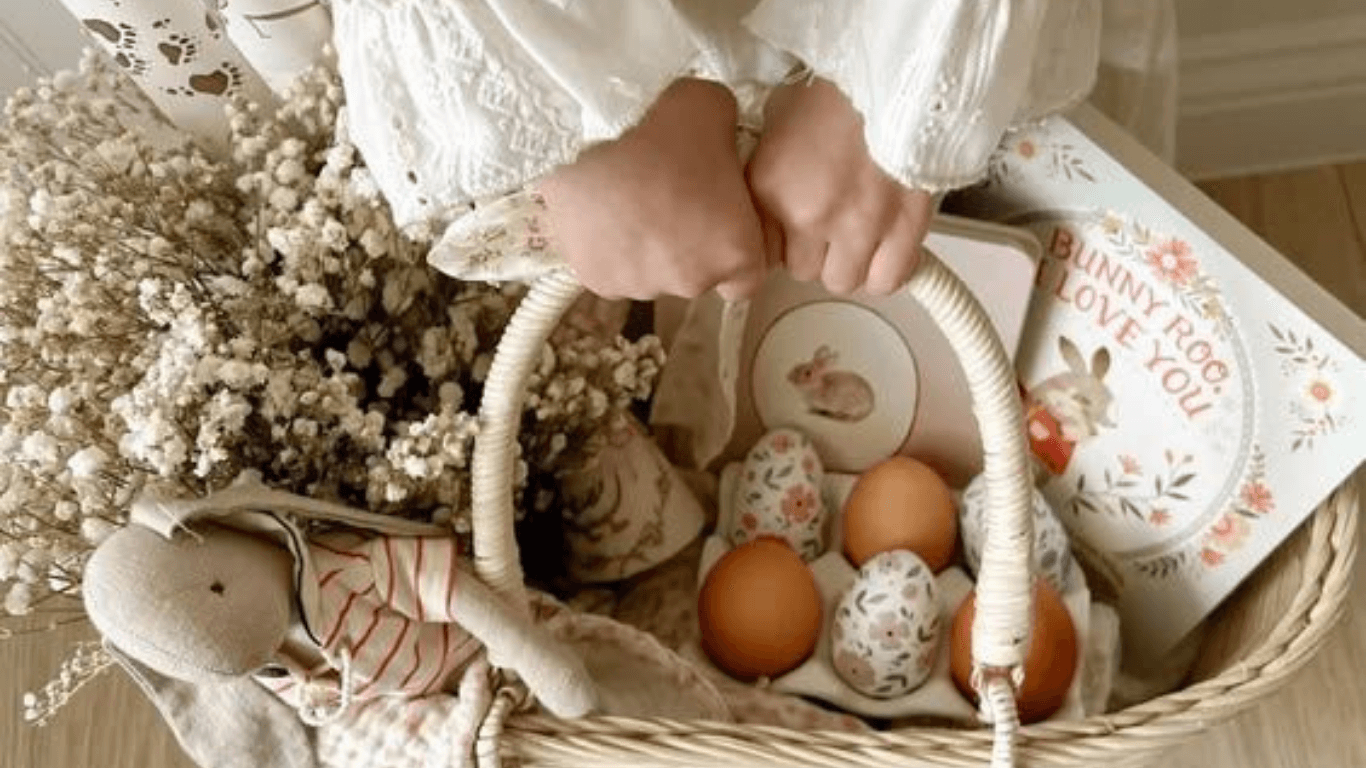 In Poland, one of the most significant Easter traditions is the blessing of food on Holy Saturday. On this day, thousands of people bring a specially prepared basket, known as święconka, to churches. Its contents are not random. Each product carries a symbolic meaning that was established centuries ago and continues to be observed today.
What to put in the Easter basket
The traditional composition of the basket in Poland has remained almost unchanged over the years. The święconka includes:
- bread – a symbol of life and daily sustenance;
- eggs – a symbol of rebirth and new life;
- lamb (made of sugar or butter) – a symbol of Jesus Christ;
- sausage or ham – a symbol of prosperity and well-being;
- salt – a symbol of purification and protection;
- pepper – a reminder of hardships and trials;
- horseradish – a symbol of strength, endurance, and overcoming difficulties;
- Easter cake (babka) – a symbol of joy and celebration.
Some families also add:
- cheesecake (sernik) or poppy seed roll (makowiec);
- butter;
- other traditional dishes.
How to decorate the Easter basket
Not only the contents but also the presentation of the basket is important. Traditionally, the bottom is lined with a white cloth symbolizing purity, and the basket itself is decorated with boxwood (bukszpan) branches or other greenery as a sign of life and rebirth. Sometimes, decorative Easter-themed elements are added to emphasize the festive nature of this tradition.
When the basket is blessed
The blessing of the food takes place on Holy Saturday (Wielka Sobota) – the day before Easter Sunday. In 2026, this falls on April 4th. On this day, churches organize food blessings throughout the entire day.
Job openings across Poland and Europe, official employment, guidance, and support at all stages. To choose a vacancy, call: +38 (050) 961-08-16, +48 525-275-003.


 2026-10-14
 View
View