Crossing the border with Poland in 2026: what the launch of EES and ETIAS systems will change
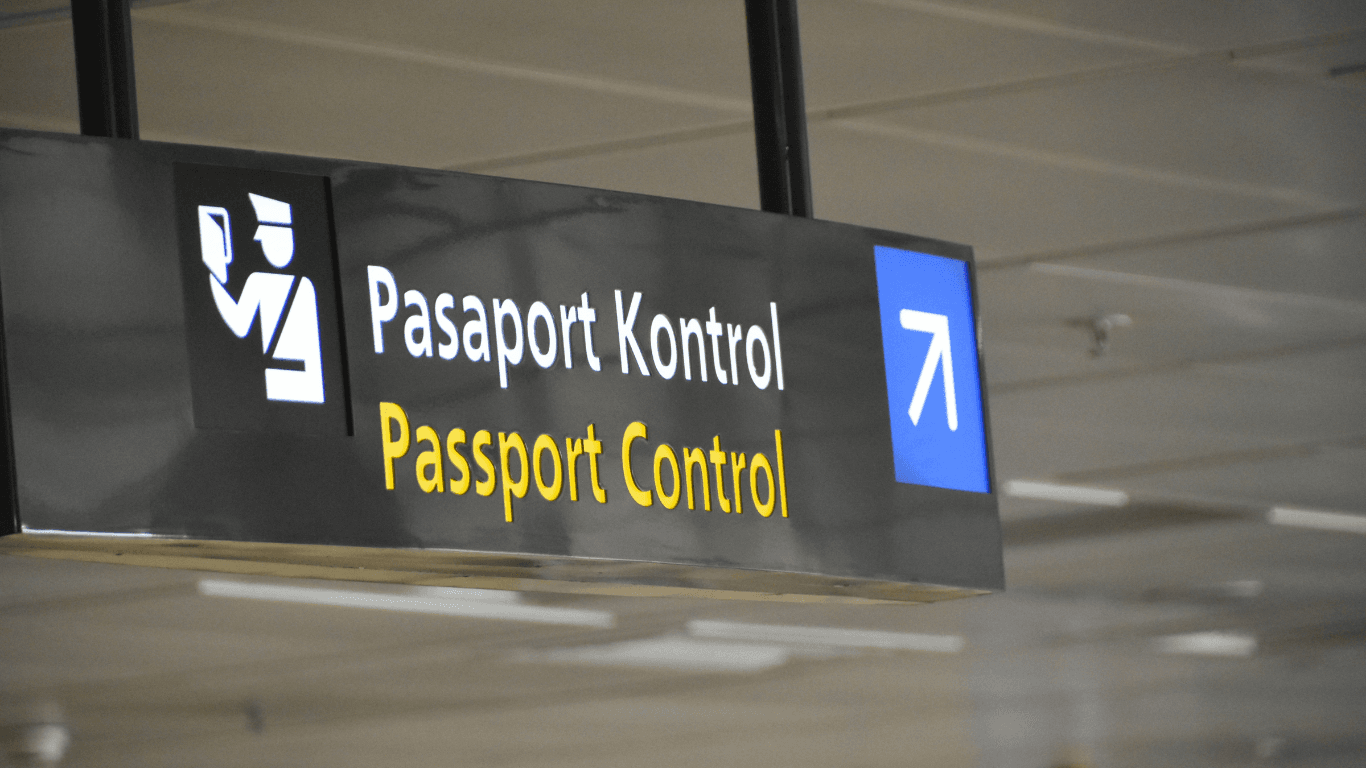 From 2026, the procedure for crossing the border between Ukraine and Poland is changing due to the full launch of the European Entry/Exit System (EES). This is a new electronic system that automatically records data on crossings of the external borders of the Schengen Area for all citizens of countries outside the European Union, including Ukraine.
What the EES system is
The EES system is a digital database that stores information about entries and exits of foreigners, including:
- date and place of crossing;
- passport data;
- biometric data (facial image and fingerprints).
This system gradually replaces traditional passport stamps with automatic digital registration when crossing the border.
Who the new rules apply to
The EES system is introduced at the external borders of the Schengen Area and will apply during entry and exit. The new procedures apply to Ukrainian citizens crossing the EU border after the full launch of the system, particularly when entering Poland.
When the EES system will be fully operational
The EES system is being implemented in stages from October 12, 2025, and full implementation is expected by April 10, 2026. After this date, digital registration will replace traditional stamps at all border crossing points of the Schengen Area.
How EES will work
After the launch of EES, during the first border crossing:
- border services will collect biometric data — facial image and fingerprints;
- all data will be stored in the electronic system for up to three years;
- subsequent crossings will be recorded automatically without passport stamps.
Why this is important
The new rules will have several practical consequences:
- digital tracking of crossings will automatically show the duration of stay in Schengen countries and help avoid exceeding allowed periods;
- a valid biometric passport is required to cross the border;
- during the first trips, control may take longer due to biometric data collection.
What else the EU is preparing after EES
Approximately six months after the full launch of EES, the European Union plans to introduce the ETIAS system (European Travel Information and Authorisation System). It предусматривает mandatory electronic authorization for travel to Schengen countries for citizens of visa-free countries. The application will need to be submitted online before travel and approval obtained in advance.
Related changes in Poland
In addition to border control changes, from January 2026, Poland has introduced an updated minimum wage level — 4806 PLN gross per month. This affects employment and migration processes for Ukrainians working or planning to work in Poland.
Advice from Gremi Personal
To avoid misunderstandings when crossing the border in 2026:
- make sure your biometric passport is valid;
- take into account possible delays during the first control under the new system;
- plan your trips considering additional time for checks.
Job offers across Poland and Europe, official employment, support and assistance at all stages. To find a job — call +38 (050) 961-08-16, +48 525-275-003


 2026-11-24

 View

