What You Can Bring Across the Ukrainian-Polish Border in 2026: Money, Food, Medicines and Pets
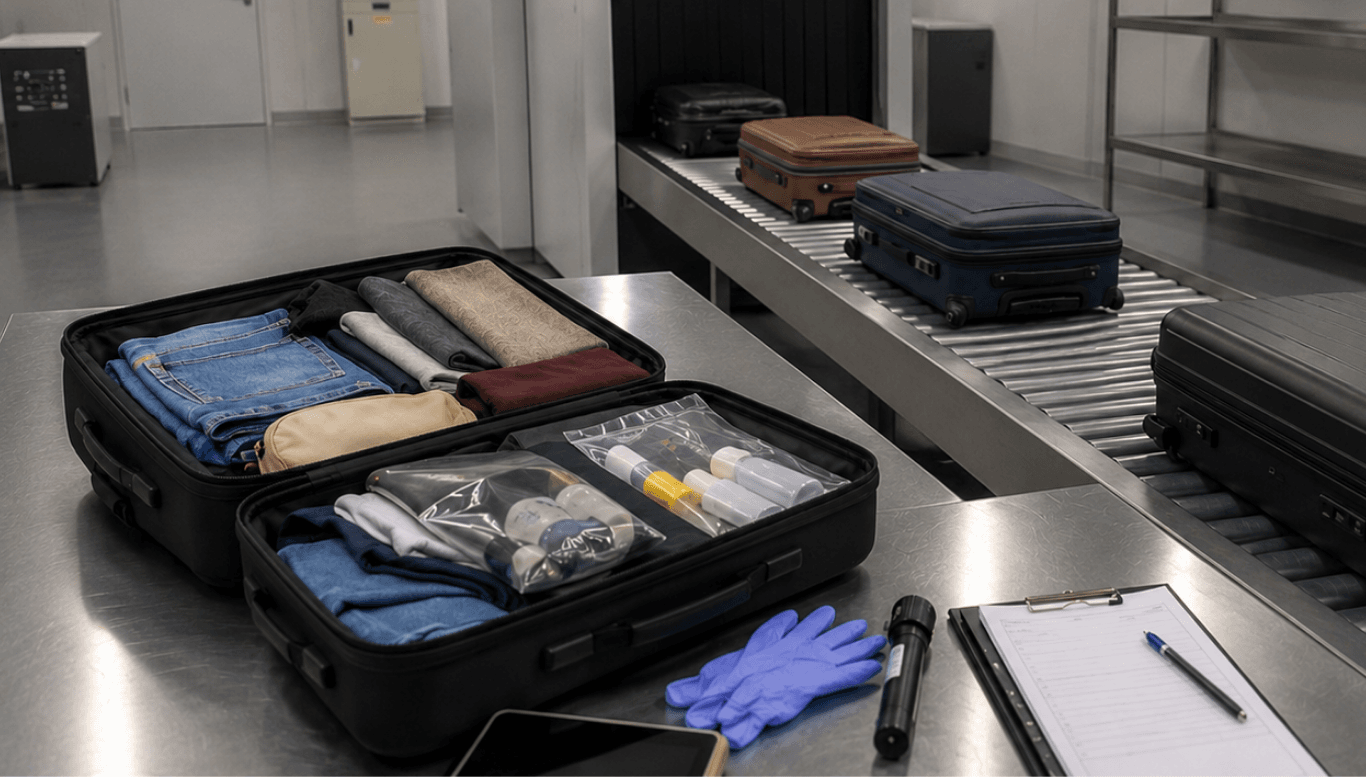 Travelling to Poland for work? Before you pack your suitcase, check what is inside it. The rules for crossing the EU's land border are stricter than many people realise: home-made sausage or an extra carton of cigarettes can result in confiscation and a fine. Here are the regulations in force in 2026, based on official data from the Polish Customs Service (granica.gov.pl) and the State Customs Service of Ukraine.
Cash: up to €10,000 - no declaration required
Cash of up to €10,000 (or the equivalent in another currency) may be carried without declaration. If the amount equals or exceeds €10,000, a customs declaration at the border is mandatory - and the total includes cash, traveller's cheques, and gold coins or bullion combined. Important: the limit applies per person, not per family - a family of three may legally carry up to €30,000. Funds on a bank card are not subject to any limit or declaration requirements, so large sums are safer to keep in an account.
Alcohol and tobacco: land border limits are significantly lower than "airport" limits
The most common mistake is applying the "200 cigarettes" allowance. This applies exclusively to air travel. Crossing a land border (by bus, car or train), a person aged 17 or over may carry:
- cigarettes - only 40 (2 packs), or 50 g of tobacco, or 10 cigars;
- e-cigarette liquid - 10 ml; heated tobacco sticks (IQOS, glo) - 8 g, approximately one pack;
- spirits (over 22% ABV) - 1 litre, or 2 litres of drinks up to 22% (vermouth, liqueur);
- in addition: 4 litres of still wine and 16 litres of beer.
Goods: duty-free limit of €300
Personal items (clothing, a laptop, a phone that you use) are not subject to duty. New goods - gifts, boxed electronics - may be carried up to a value of €300 by land transport (€430 by air). Fuel: a full tank plus a jerry can of up to 10 litres.
Food: meat and dairy - a complete ban
It is prohibited to bring meat, sausage, lard, tinned meat, milk and all dairy products (cheese, butter, condensed milk, yoghurt) into the EU - in any quantity, including a sausage sandwich or dumplings. Such items are confiscated and disposed of at the border. Exceptions (up to 2 kg in total): infant formula and special medical nutrition in unopened, factory-sealed packaging. Permitted items: bread, biscuits, chocolate, coffee, tea, pasta without meat - in reasonable quantities for personal consumption; fish and fish products - up to 20 kg; honey - up to 2 kg. Fresh fruit and vegetables formally require a phytosanitary certificate, so it is advisable to eat apples or tomatoes before reaching the border.
Medicines: up to 5 packs of each preparation
For personal medical use, up to 5 of the smallest available packs of each medicine are permitted. For prescription medicines, it is advisable to carry a prescription or a doctor's note. Important: the 5-pack rule does not apply to strong painkillers, sleeping pills and psychotropic substances - a special document is required, issued no earlier than 15 days before travel, and the supply must not exceed 30 days of treatment. Sending medicines by post to Poland is prohibited.
Pets: the simplified "wartime" rules no longer apply
Dogs and cats may be brought in under standard EU requirements: a microchip, rabies vaccination (primary vaccination at least 21 days before travel), a rabies antibody titre test at an EU-accredited laboratory, and a veterinary certificate valid for 10 days from the date of issue. Poland does not currently require a 3-month waiting period after the titre test - but this point should be verified before travel at wetgiw.gov.pl, as the rules may change.
New in 2026: biometrics at the border (EES)
Since November 2025, the European Entry/Exit System (EES) has been operating at the Polish-Ukrainian border: upon the first crossing, a photograph and fingerprints are taken (from age 12), and the data is stored for 3 years. Passport stamps are gradually being phased out, and the 90/180-day stay limit is now calculated automatically - it is no longer possible to exceed it "unnoticed".
What can you bring back to Ukraine?
By land transport - goods up to €500 in value and up to 50 kg without payment, but only if you have been abroad for more than 24 hours and are entering Ukraine no more than once every 72 hours. Otherwise, the limit is just €50. Alcohol (18+): 1 litre of spirits + 2 litres of wine + 5 litres of beer; cigarettes - 200. Food - up to €200 in total, with each individual item up to 2 kg.
Key points in 30 seconds
- Cash: up to €10,000 per person - no declaration required.
- Cigarettes at a land border: 2 packs only. Alcohol: 1 litre of spirits + 4 litres of wine + 16 litres of beer.
- Meat and dairy - completely prohibited. Infant formula - up to 2 kg.
- Medicines - up to 5 packs of each preparation; psychotropic substances - only with a permit.
- New goods - up to €300. Pets - microchip + vaccination + titre test.
Job vacancies across Poland and Europe, official employment, guidance and support at every stage.
To find a vacancy - call: +380503349351 +48525275003


 2026-11-03

 View

